NDA vs Non-Compete vs Non-Solicitation: What Each Agreement Actually Restricts
Starting a new job, bringing on a contractor, or talking with a potential business partner often comes with a stack of paperwork. Somewhere in there, you’ll probably find a confidentiality clause, and maybe language saying you can’t work for a competitor or poach clients after you leave. People tend to call it all “the NDA,” but these are three different kinds of restrictions, and the law treats them very differently.
I got curious about this after a friend turned down a job she wanted because she assumed the non-compete in her current offer letter would stop her. It turned out her state barely enforced them. That’s the kind of mistake that’s easy to make when all three agreements blur together. So here’s how NDAs, non-competes, and non-solicitation agreements differ, what each one really restricts, and where the law stands right now.
I’m not a lawyer, and this isn’t legal advice. Enforceability varies a lot from state to state, so if you’re about to sign one of these or you’re worried about one you’ve already signed, talk to an employment attorney where you live.
The Quick Difference
A non-disclosure agreement restricts what you can share. A non-compete restricts where you can work. A non-solicitation agreement restricts who you can approach. Those three verbs are the easiest way I’ve found to keep them straight.
What an NDA Does
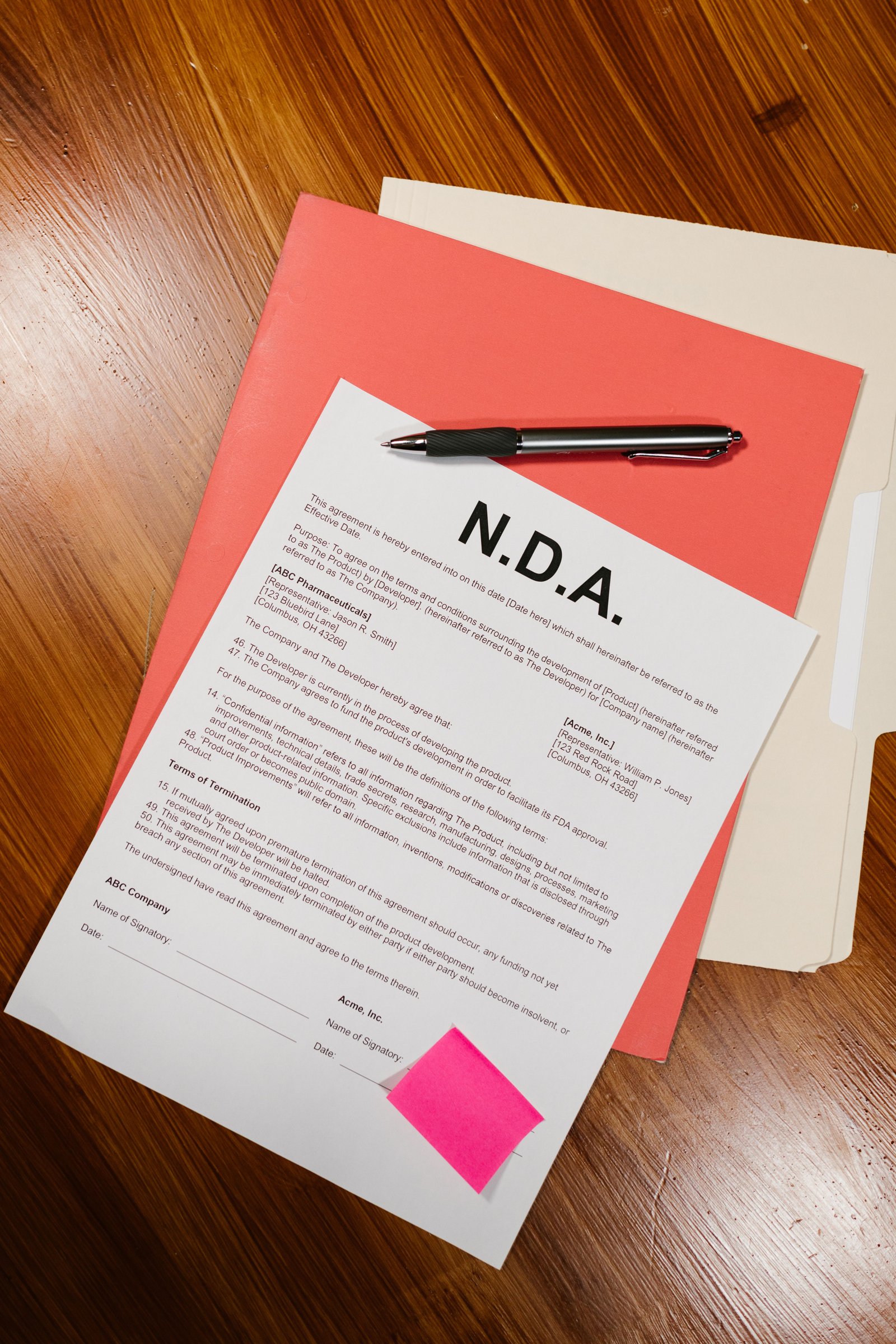
A non-disclosure agreement, also called a confidentiality agreement, prevents someone from sharing or misusing confidential information they learn through a business relationship. That might include customer lists, pricing, product plans, source code, financial data, or anything else a company treats as private.
NDAs show up in all kinds of situations: employment, contractor work, investor conversations, partnership talks, and early acquisition discussions. They’re also commonly built into larger contracts. In a vendor relationship, for example, the confidentiality terms often sit inside the master service agreement rather than in a separate document.
Of the three agreements, NDAs are the most widely enforced, because protecting genuinely confidential information is a legitimate business interest in every state. They still have limits, though. Information that’s already public, that you knew before the relationship, or that you developed independently usually isn’t covered. An NDA also can’t lawfully stop you from reporting illegal conduct to the government.
That last point has teeth. Under the federal Defend Trade Secrets Act, employees have immunity for disclosing trade secrets confidentially to government officials or attorneys when reporting suspected legal violations. The law, found at 18 U.S.C. § 1833, also encourages employers to include notice of that immunity in agreements that cover confidential information. Employers that leave the notice out can lose the ability to recover certain damages and attorneys’ fees in a trade secret lawsuit against the employee.
Mutual vs One-Way NDAs
A one-way NDA protects only one party’s information, which is typical when an employee or contractor receives a company’s confidential data. A mutual NDA protects both sides, which makes sense when two companies are exploring a deal, and each will share sensitive information with the other. If you’re asked to sign a one-way NDA when you’ll also be sharing your own confidential material, it’s reasonable to ask for a mutual version.
What a Non-Compete Does
A non-compete agreement restricts someone from working for a competitor, or starting a competing business, for a set period after leaving a job. A typical clause might say an employee can’t work for a direct competitor within a certain area for a year after leaving.
Non-competes are by far the most controversial of the three because they limit a person’s ability to earn a living. Courts that enforce them generally require the restriction to protect a legitimate business interest, like trade secrets or customer relationships, and to be reasonable in duration, geographic scope, and the type of work it restricts. A clause that bars a junior employee from working anywhere in the industry for five years is much less likely to hold up than a narrow, short restriction on a senior executive with access to strategic information.
Where the Law Stands
You may remember headlines in 2024 about a nationwide ban on non-competes. The Federal Trade Commission did issue a rule that would have banned most of them, but a federal court in Texas set it aside before it took effect. In September 2025, the FTC dropped its appeals and accepted that ruling, ending its effort to ban non-competes through federal rulemaking. The law firm Paul, Weiss explains what the FTC’s shift means, including that the agency says it will still go after abusive non-competes case by case under existing antitrust law.
That means non-competes are governed mainly by state law, and the states are all over the map. California has long refused to enforce employee non-competes, and a handful of other states, including Minnesota, have adopted similar bans. Many states allow them but restrict them in various ways, such as banning them for workers below certain income levels, requiring advance notice, or limiting their length. Other states enforce reasonable non-competes more readily. Before you sign one, or before you let one keep you from a job, find out what your state actually allows.
What a Non-Solicitation Agreement Does
A non-solicitation agreement is narrower than a non-compete. It doesn’t stop you from working for a competitor. Instead, it restricts you from actively reaching out to your former employer’s customers or employees for a set period.
There are two common types. A customer non-solicitation clause bars you from contacting the company’s clients to try to take their business. An employee non-solicitation clause, sometimes called a no-poach or no-hire provision, bars you from recruiting former coworkers to join you elsewhere.
Because they’re narrower, non-solicitation agreements are generally enforced more often than non-competes, though they still have to be reasonable. Details matter here too. Some agreements only prohibit you from initiating contact, while others also bar you from doing business with former clients who come to you on their own. In a few states with strict non-compete laws, including California, courts have also limited customer non-solicitation clauses.
Non-Solicitation vs Non-Compete
The easiest way to see the difference is with an example. Say a salesperson leaves a software company to join a competitor. A non-compete could prevent her from taking the new job at all. A non-solicitation agreement would let her take the job but prevent her from calling her old clients to bring them along or recruiting her former teammates. An NDA would let her take the job and even talk to anyone she likes, but would prevent her from using the old company’s confidential pricing or product roadmap.
| NDA | Non-Compete | Non-Solicitation | |
|---|---|---|---|
| Restricts | Sharing confidential information | Working for competitors | Approaching clients or employees |
| Typical duration | Often years, sometimes indefinite for trade secrets | Months to a couple of years | Often one to two years |
| Enforceability | Widely enforced | Varies greatly by state; banned in some | Often enforced if reasonable |
| Common uses | Employment, vendors, deals, investors | Senior employees, business sales | Sales roles, managers, business sales |
A Note on Selling a Business
Non-competes are treated much more favorably when they’re part of a business sale. If you sell your company and get paid for its goodwill, it’s reasonable for the buyer to expect you not to open a competing shop across the street the next day. Many states that restrict employee non-competes still allow them in connection with a sale, as long as they’re reasonable.
What to Watch For Before Signing
I’d read the definition of “confidential information” in any NDA closely, since overly broad definitions can sweep in general skills and knowledge you’ll need in your career. For non-competes, I’d look at how long the restriction lasts, what geographic area it covers, and how “competitor” is defined, then check whether your state enforces it. For non-solicitation clauses, I’d look at whether they cover every customer the company has or only the ones you actually worked with, which is a big difference.
It’s also worth remembering that these restrictions often sit next to other important terms. Employment and contractor agreements usually address who owns the work you create, which I cover in my post on work for hire. For businesses, a breach of confidentiality is often excluded from contractual caps on damages, which I explain in my post on limitation-of-liability clauses.
Finally, don’t assume a clause is unenforceable just because it seems unfair, and don’t assume it’s enforceable just because you signed it. Either assumption can lead to costly mistakes. A short consultation with a local employment attorney can clear up a lot.
Final Thoughts
NDAs protect information, non-competes restrict where you can work, and non-solicitation agreements restrict who you can approach. NDAs are enforced almost everywhere, non-solicitation clauses are often enforced when they’re reasonable, and non-competes depend heavily on your state, especially now that the FTC’s nationwide ban is off the table.
If you’re an employer, choose the narrowest restriction that actually protects what you care about. In many cases, a solid NDA and a well-drafted non-solicitation clause do the job without the legal risk of a non-compete. If you’re an employee or contractor, read each restriction separately, understand what it really covers, and find out what your state allows before you make a career decision based on it.